
How Is Binance Wallet Named? A Complete Guide to Understanding Its Features and Security

When users first step into the world of cryptocurrency, one of the most common questions is about naming. Specifically, many ask: "How is the Binance wallet named and does it really matter?" The answer goes beyond a simple label. Binance, one of the largest crypto exchanges globally, offers multiple wallet solutions. Understanding their names—such as Trust Wallet, Binance Chain Wallet, and Binance Web3 Wallet—is the first step to knowing how your assets are stored, accessed, and secured.
First, it is important to clarify that Binance itself does not have a single wallet named after the exchange in the traditional sense. Instead, Binance provides several wallet options. The most well-known is Trust Wallet. This is a separate, non-custodial wallet that Binance acquired in 2018. The name "Trust Wallet" was chosen to emphasize security and user control. Because it is non-custodial, users hold their own private keys. This means Binance cannot access or freeze your funds. The name itself builds confidence, suggesting that users do not need to trust a third party—only their own secure storage.
Another key name is the Binance Extension Wallet, often referred to as the Binance Chain Wallet. This browser extension is designed for interacting with Binance Smart Chain (BSC) and Binance Chain directly. The name here is functional: it clearly tells users that this wallet connects to Binance's own blockchains. It is a hot wallet, meaning it stays connected to the internet for fast transactions. However, the name also implies a limitation: it is best suited for active DeFi trading on Binance networks, not for long-term cold storage.
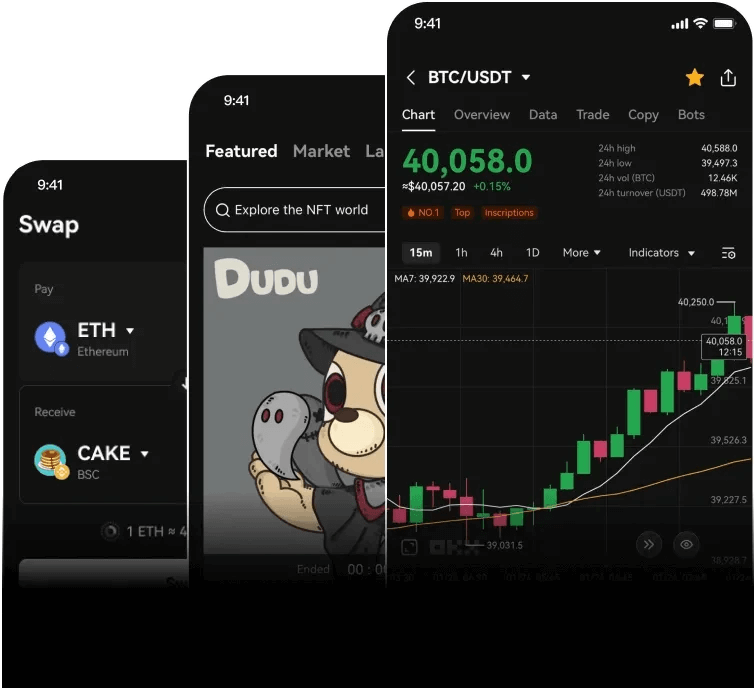
Recently, Binance has also introduced the Binance Web3 Wallet. This is integrated directly into the Binance exchange app. The name "Web3" signals that this wallet is built for the decentralized internet. It allows users to interact with dApps, swap tokens, and manage NFTs without leaving the Binance ecosystem. The naming here is strategic. It tells users that this wallet is not just for holding coins, but for participating in the broader blockchain ecosystem. Security features like multi-party computation (MPC) technology are included, which adds an extra layer of protection compared to a standard hot wallet.
When evaluating how these wallets are named, there is also an important distinction between custodial and non-custodial accounts. On the Binance exchange, users have a "Funding Wallet," "Spot Wallet," and "Margin Wallet." These are not really wallets in the blockchain sense. They are ledger entries managed by Binance. The name "wallet" here is more of a user interface term. It helps traders organize funds for different purposes. For example, your "Funding Wallet" is used for payments and transfers, while your "Spot Wallet" holds assets for trading. The naming is designed to simplify complex exchange functions into familiar categories.
From a security perspective, the naming of these wallets also carries weight. For instance, "Trust Wallet" emphasizes independence from the exchange. If Binance were ever hacked, your Trust Wallet funds would theoretically remain safe because Binance does not hold the keys. On the other hand, the "Binance Wallet" names remind users that these are products built by Binance. They offer convenience but come with the trade-off of being connected to the centralized entity. A user storing large amounts for the long term should consider a hardware wallet, which has its own naming conventions like "Ledger Nano" or "Trezor," not a "Binance" branded wallet.
Finally, the naming trend reflects Binance's broader strategy. The name "Web3 Wallet" shows a shift toward decentralization and user self-custody, even within a centralized exchange environment. The name "Trust Wallet" continues to be a globally recognized brand in the crypto community. For users searching for "how is Binance wallet named," the answer is layered. It is not just one name. It is a portfolio of products, each with a name that tells a story about its purpose, security, and level of control. Understanding these names helps you choose the right tool for your crypto journey, whether you prioritize ease of use, security, or access to decentralized applications.

发表评论