
How to Use Binance Wallet & Exchange: A Step-by-Step Beginner's Guide
Binance is one of the world’s largest cryptocurrency exchanges, and its integrated wallet system is essential for both trading and holding digital assets. If you are new to crypto, the phrase "Binance Wallet exchange how to use" might seem confusing. In reality, it refers to two interconnected tools: the Binance Exchange (for trading) and the Binance Wallet (for storing and managing your coins). This guide breaks down the entire process into clear, actionable steps.
Step 1: Create and Secure Your Binance Account
To start using the Binance exchange, you must first create an account. Visit the official Binance website or download the Binance app. You will need to provide a valid email address and a strong password. After registration, enable two-factor authentication (2FA) using Google Authenticator or SMS for added security. Without 2FA, your account is vulnerable to hacking.
Step 2: Understand the Wallet Types on Binance
Binance offers several wallet options, but the two most important for beginners are the Funding Wallet and the Spot Wallet. The Funding Wallet is typically used for deposits, withdrawals, and holding funds after you buy crypto with fiat currency (like USD or EUR). The Spot Wallet is used for active trading. When you make a purchase, your coins usually go into your Funding Wallet first. You must manually transfer them to the Spot Wallet to trade on the exchange. You can do this by navigating to "Wallet" > "Fiat and Spot" > "Transfer".
Step 3: How to Deposit Funds into Binance
To use the exchange, you need to deposit cryptocurrency or fiat money. For crypto deposits: go to "Wallet" > "Deposit", select the coin (e.g., BTC, ETH, USDT), and copy the unique deposit address. Go to your external wallet or another exchange, paste this address, and send the funds. For fiat deposits: click "Buy Crypto" and choose your preferred payment method (bank transfer, credit card, or P2P trading). After purchase, the crypto appears in your Funding Wallet.
Step 4: Trading on the Binance Exchange
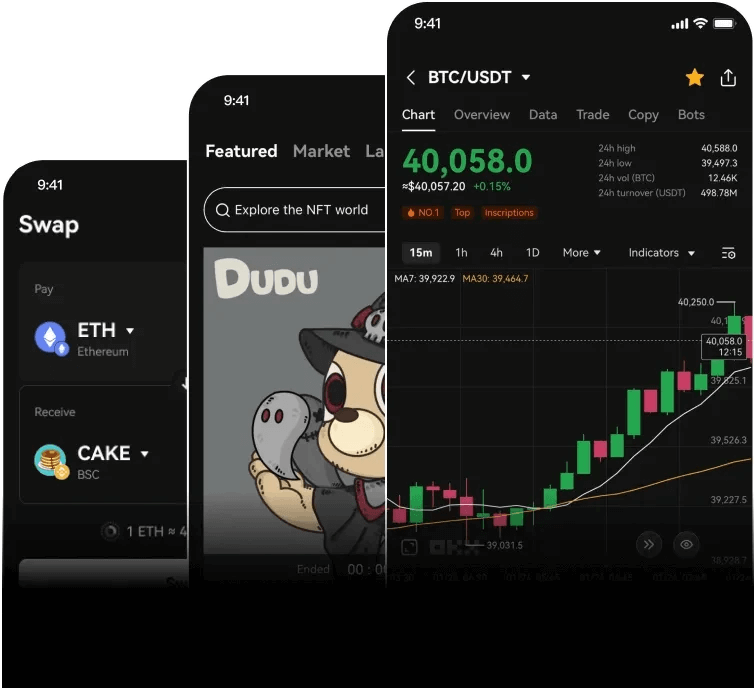
Once your funds are in the Spot Wallet, you can start trading. Go to "Trade" > "Classic" or "Advanced". Select a trading pair (e.g., BTC/USDT). You will see the order book and price chart. Choose your order type: "Market" (buy at current price) or "Limit" (set your own price). Enter the amount or percentage of your balance, then click "Buy" or "Sell". Your executed orders will appear in your Spot Wallet.
Step 5: Withdrawing Funds from Binance
To withdraw crypto to an external wallet (like a hardware wallet or a different exchange), go to "Wallet" > "Withdraw". Select the coin, enter the external address, and specify the amount. Double-check the address carefully, as crypto transactions are irreversible. Binance will send a confirmation to your email and 2FA device for security.
Important Security Tips
Always keep your API keys private and never share them. Use the "White List" feature to restrict withdrawal addresses. Avoid clicking on phishing links that pretend to be Binance. Only use the official Binance URL or app. Additionally, consider using the "Safe Asset" feature if you plan to hold coins long-term without trading.
Common Mistakes to Avoid
One common error is forgetting to transfer funds from Funding Wallet to Spot Wallet before trading. Another is sending the wrong coin to a deposit address (e.g., sending ETH to a BTC address). Always verify the network type (ERC20, BEP20, etc.) matches the wallet you are using. A mismatch will result in lost funds.
By following this step-by-step guide, you can confidently use the Binance exchange and its integrated wallet system. Start with small amounts to practice the deposit, trade, and withdrawal flow. As you gain experience, you can explore more advanced features like margin trading, staking, or using the Binance Web3 Wallet for decentralized applications. Remember that security is your top priority, and knowledge is your best tool in the crypto space.

发表评论