
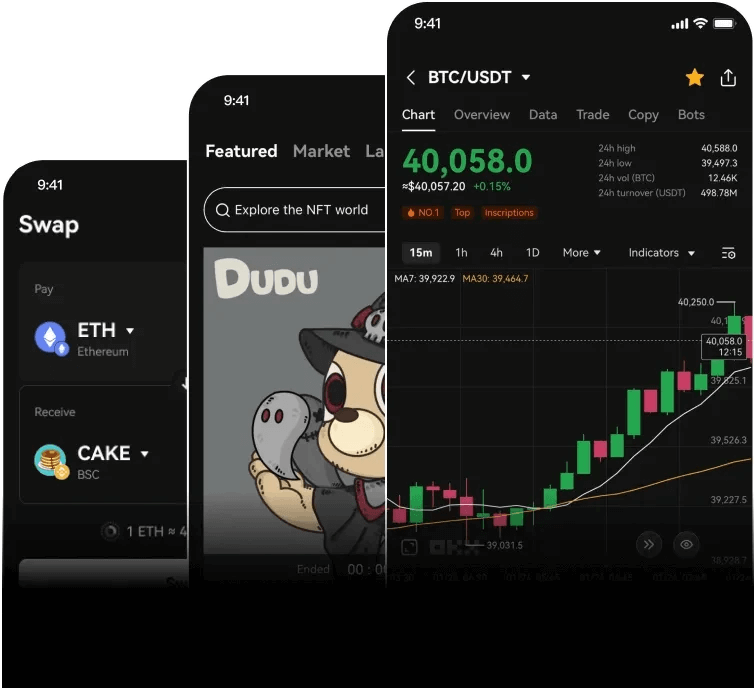
Which Binance Wallet Is Right for You? A Complete Guide to Choosing the Best Option in 2025

When it comes to managing cryptocurrencies on Binance, one of the most common questions users ask is: "Which Binance wallet should I choose?" The answer isn't always straightforward, as Binance offers several wallet solutions tailored to different needs. In this guide, we break down the main options—Binance Web3 Wallet, Trust Wallet (owned by Binance), and the exchange's built-in wallet—so you can make an informed decision.
First, let's look at the Binance Web3 Wallet. This is a self-custody wallet directly integrated into the Binance app, designed for users who want to explore decentralized finance (DeFi), trade NFTs, or interact with dApps. It supports multiple blockchains including Ethereum, BNB Chain, and Polygon. The key advantage here is convenience: you can switch between your centralized exchange funds and decentralized assets without leaving the Binance app. However, because it's self-custody, you are responsible for safeguarding your private keys. If you lose access, Binance cannot recover your funds.
Next is Trust Wallet. While not technically a "Binance wallet" in the strictest sense, it was acquired by Binance in 2018 and remains the most popular mobile wallet among Binance users. Trust Wallet is a standalone app that supports over 100 blockchains and hundreds of thousands of tokens. It is a non-custodial wallet, meaning you have full control over your private keys. Trust Wallet also offers built-in staking, a DApp browser, and direct access to decentralized exchanges. For users who prefer a dedicated, feature-rich mobile experience, Trust Wallet is a strong contender.
The third option is the Binance Exchange Wallet, which is the default wallet provided when you deposit funds into your Binance account. This is a custodial wallet—Binance holds the private keys on your behalf. It is the easiest to use for trading, spot and futures transactions, and staking directly on the exchange. However, because Binance controls the keys, you do not have the same level of sovereignty as with a self-custody wallet. This wallet is ideal for active traders who prioritize liquidity and security through Binance's own protection systems, but not for long-term storage of large amounts.
So, which one should you pick? It ultimately depends on your goals. If you are an active trader on Binance and want fast access to your funds for trading, the exchange wallet is sufficient. If you want to explore DeFi and manage your assets independently, the Binance Web3 Wallet offers a seamless hybrid experience. For maximum control and multi-chain support, Trust Wallet remains the gold standard among Binance-affiliated wallets. Many seasoned users actually combine two or more: keeping short-term trading funds on the exchange wallet, and long-term holdings in a self-custody solution like Trust Wallet.
One more factor to consider is security. For any self-custody wallet (Web3 or Trust), always write down your recovery phrase on paper and store it in a safe place. Never store it digitally or share it with anyone. For the exchange wallet, enable two-factor authentication (2FA) and whitelist withdrawal addresses. No wallet is 100% risk-free, but understanding the trade-offs between convenience and control is the first step to choosing the right one for you.
In summary, the answer to "which Binance wallet should you choose" comes down to your use case: trade on Binance frequently? Go with the exchange wallet. Want to use dApps with quick access to exchange funds? Try the Binance Web3 Wallet. Need a mobile-first, multi-chain self-custody wallet? Trust Wallet is your best bet. By matching your wallet to your specific needs, you can enjoy the best of both security and functionality.

发表评论